Proven Technologies
Key Technologies
Proven technologies. Thoughtfully integrated.
Our treatment systems combine biological, membrane, chemical, and thermal technologies - each selected and engineered to perform a specific role in achieving stable Zero Liquid Discharge with high recovery and low operating cost.
Rather than relying on standalone equipment, we focus on how technologies work together as a system.
Biological Oxidation - The Backbone of the System
Aerobic Biological Treatment at the Core
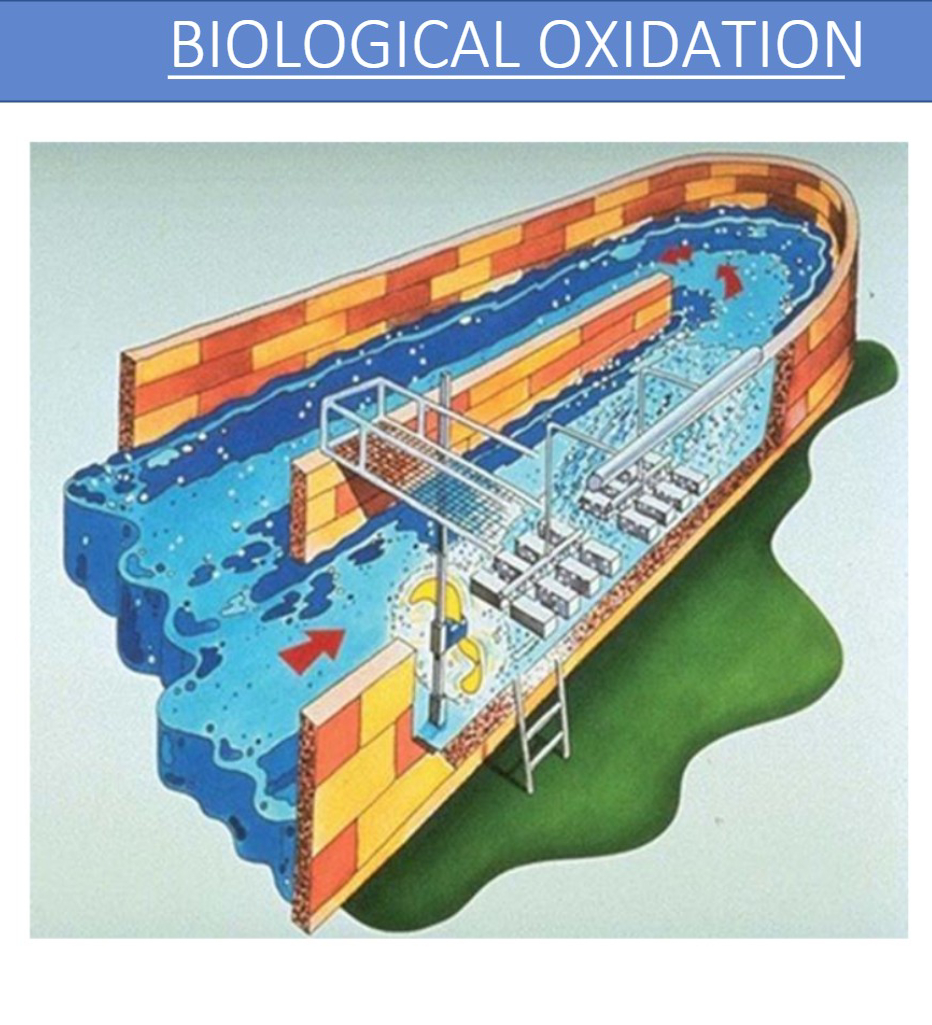
Our systems use aerobic biological oxidation, where carefully maintained microorganisms convert organic pollutants into stable biomass.
Carousel Tank Configuration
We adopt a carousel-type biological reactor design, which offers:
- Continuous circulation flow
- Uniform oxygen distribution
- Stable microbial environment
Stable Biomass Under Real Operating Conditions
Our biological systems are designed to maintain healthy MLSS concentrations. This stability directly translates into:
- Better RO feed quality
- Lower fouling
- Lower operating cost
CFD-Based Aeration Design
Aeration is the single largest energy consumer in a biological treatment plant. Instead of oversizing blowers or relying on generic layouts, we design aeration scientifically using Computational Fluid Dynamics (CFD).
What it helps achieve:
- Uniform mixing across the entire reactor
- Elimination of stagnant zones
- Improved oxygen transfer efficiency (SOTE)
- Reduced air requirement
- Stable biological performance
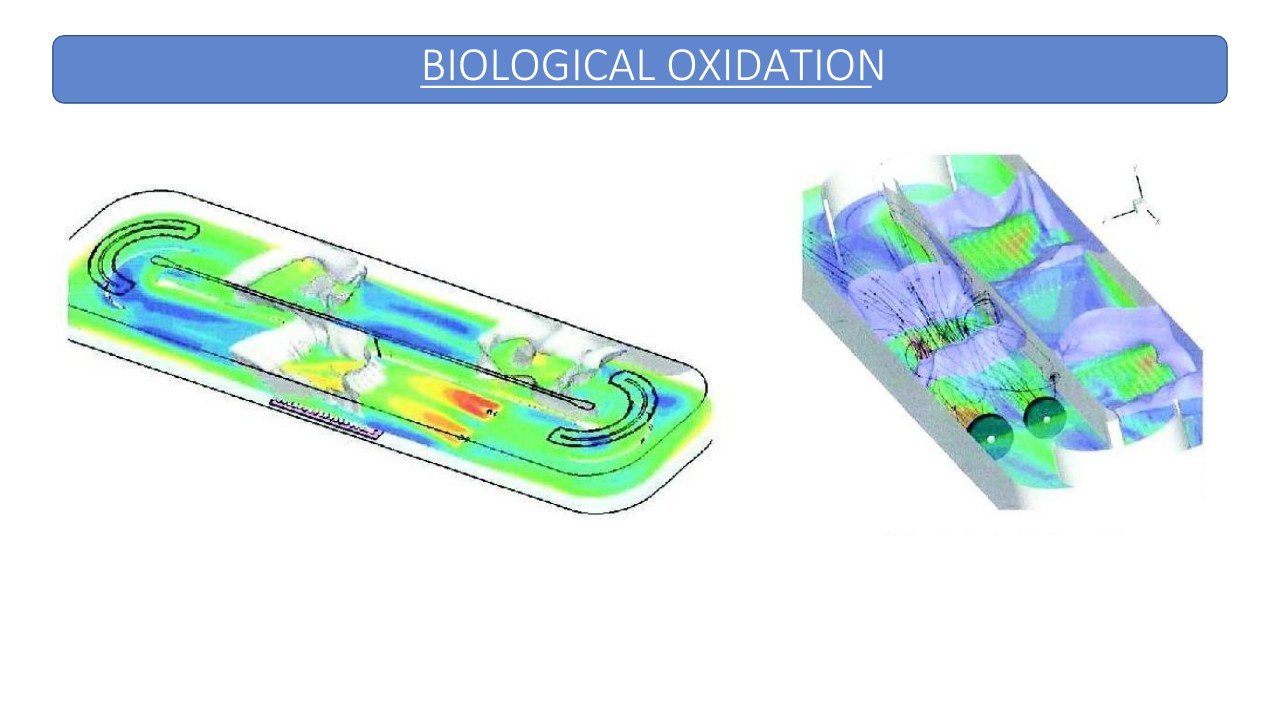
CFD Simulation for Aeration Design
Membrane Bioreactor (MBR)
Advanced biological treatment with absolute solids control
The Biomembrane Reactor
The Biomembrane Reactor integrates aerobic biological treatment with membrane filtration, replacing the conventional secondary clarifier and tertiary filtration. In this system, microorganisms degrade organic pollutants while submerged membranes ensure complete separation of treated water from biomass.
Benefits :
- Complete removal of suspended solids
- Stable effluent quality independent of sludge settling characteristics
- Operation at higher MLSS concentrations
- Reduced footprint compared to conventional systems
- SDI < 3, making it ideal for RO feed
- Improved long-term membrane and RO performance
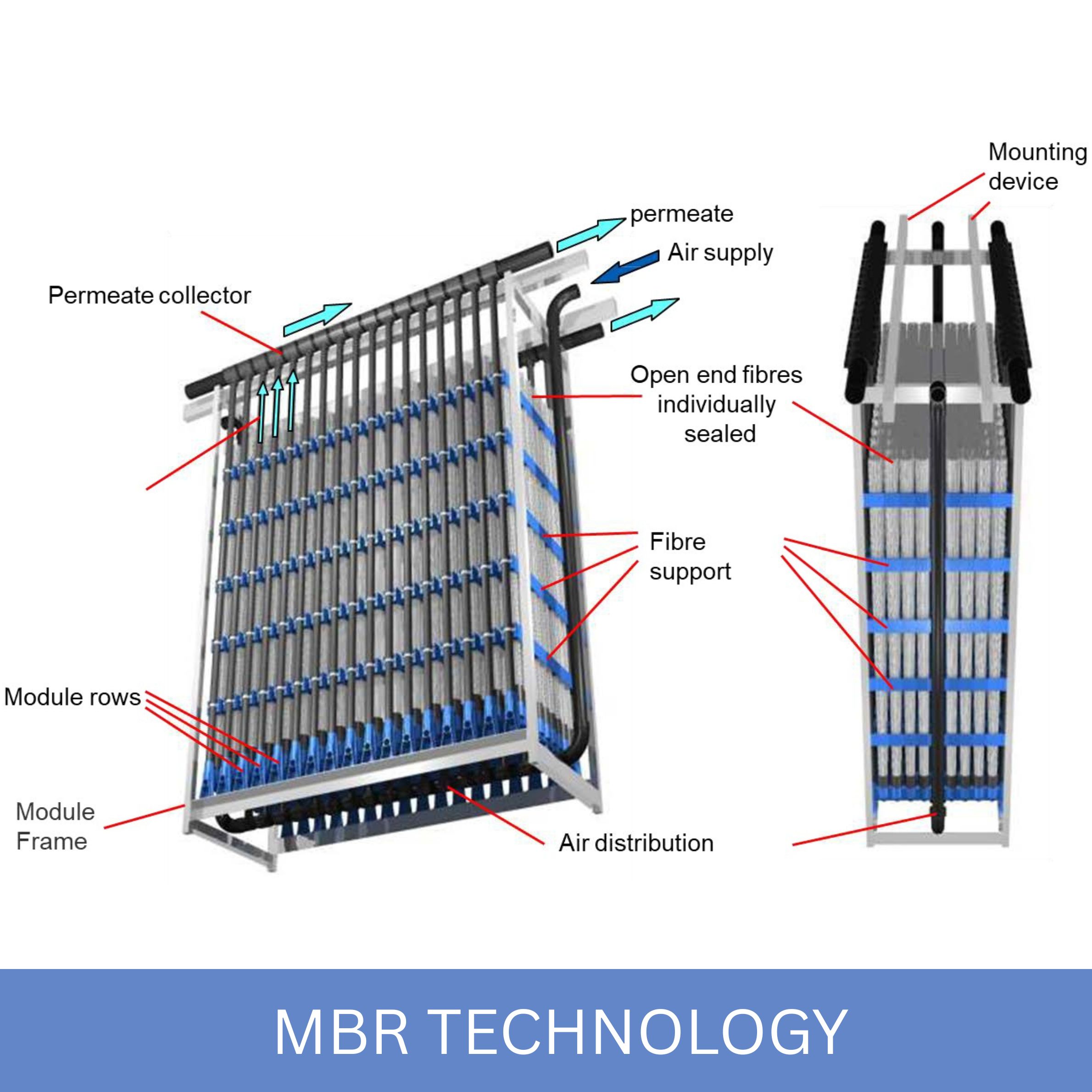
MBR Hollow Fibre Membrane Configuration
Belt Press
Efficient sludge dewatering for reduced volume and handling cost
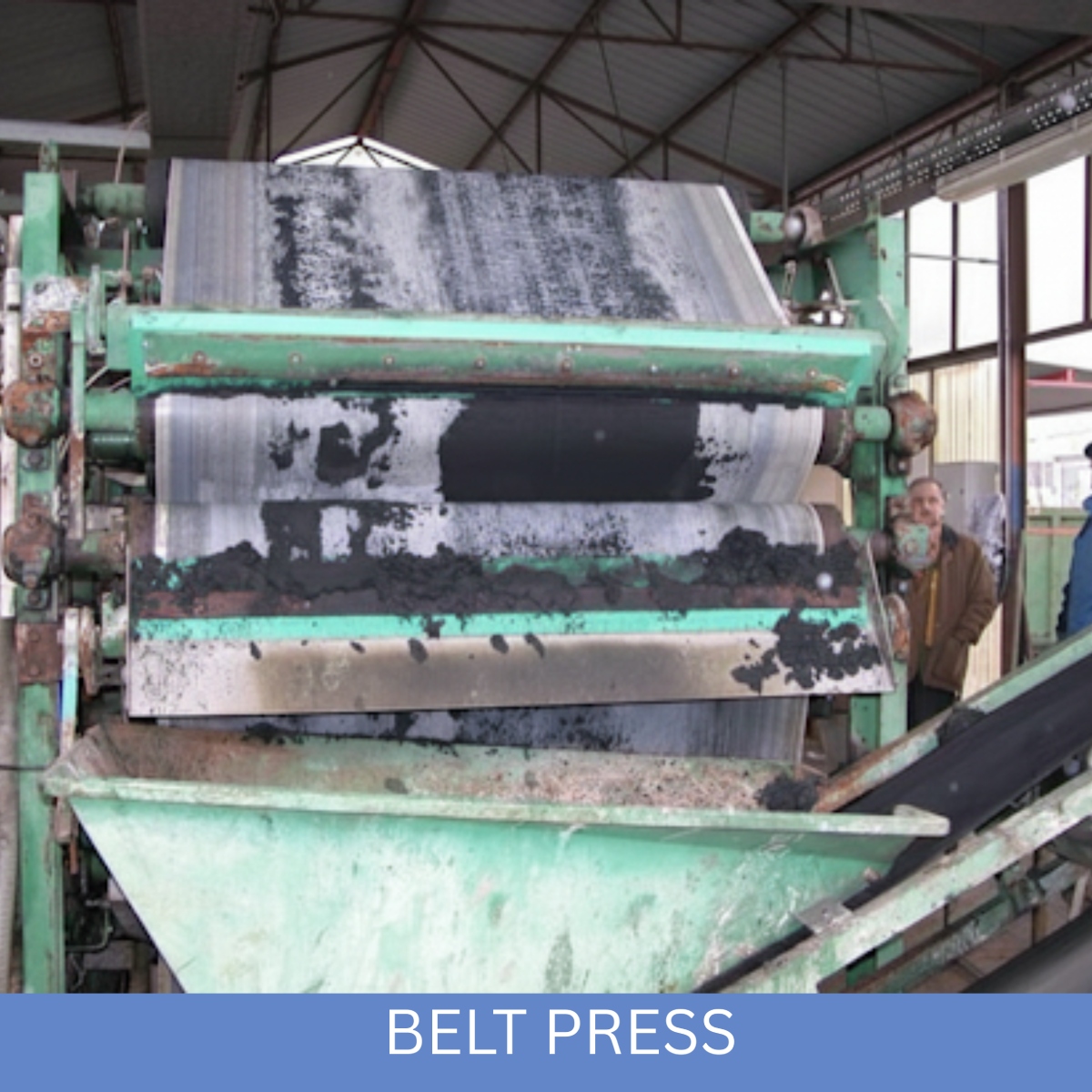
The Belt Press is used for mechanical dewatering of sludge generated from biological treatment processes. Sludge is passed through a series of moving belts where water is removed through gravity drainage and mechanical pressure. The continuous operation and integrated belt washing system ensure consistent performance and reduced manual intervention.

Significant reduction in sludge volume

Continuous operation suitable for industrial plants
Lower sludge handling and disposal costs

Simple operation with automatic belt washing
Water Recovery Rate
0
%
Softener & Degasser System
Before water enters high-pressure membrane systems, its chemistry must be stabilised. Hardness and dissolved gases are major contributors to scaling and fouling.
Water Softener
Hardness control to protect membrane systems
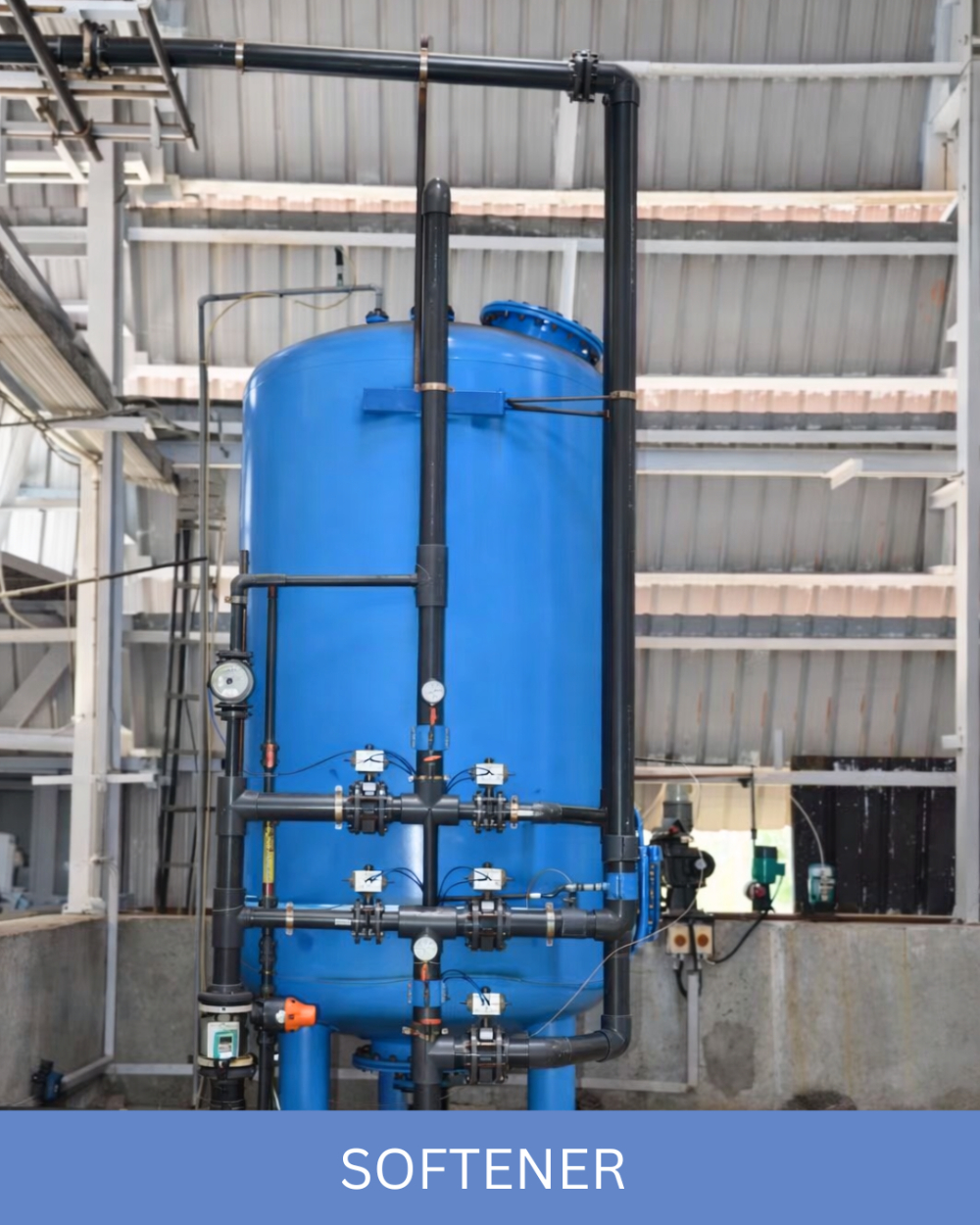
The softener uses ion exchange resins to remove calcium and magnesium ions from treated wastewater. This step is essential before RO to prevent scale formation on membranes.
Benefits :
- Prevents calcium and magnesium scaling on RO membranes
- Enables higher RO recovery
- Reduces frequency of chemical cleaning (CIP)
- Extends membrane life
- Improves overall system reliability
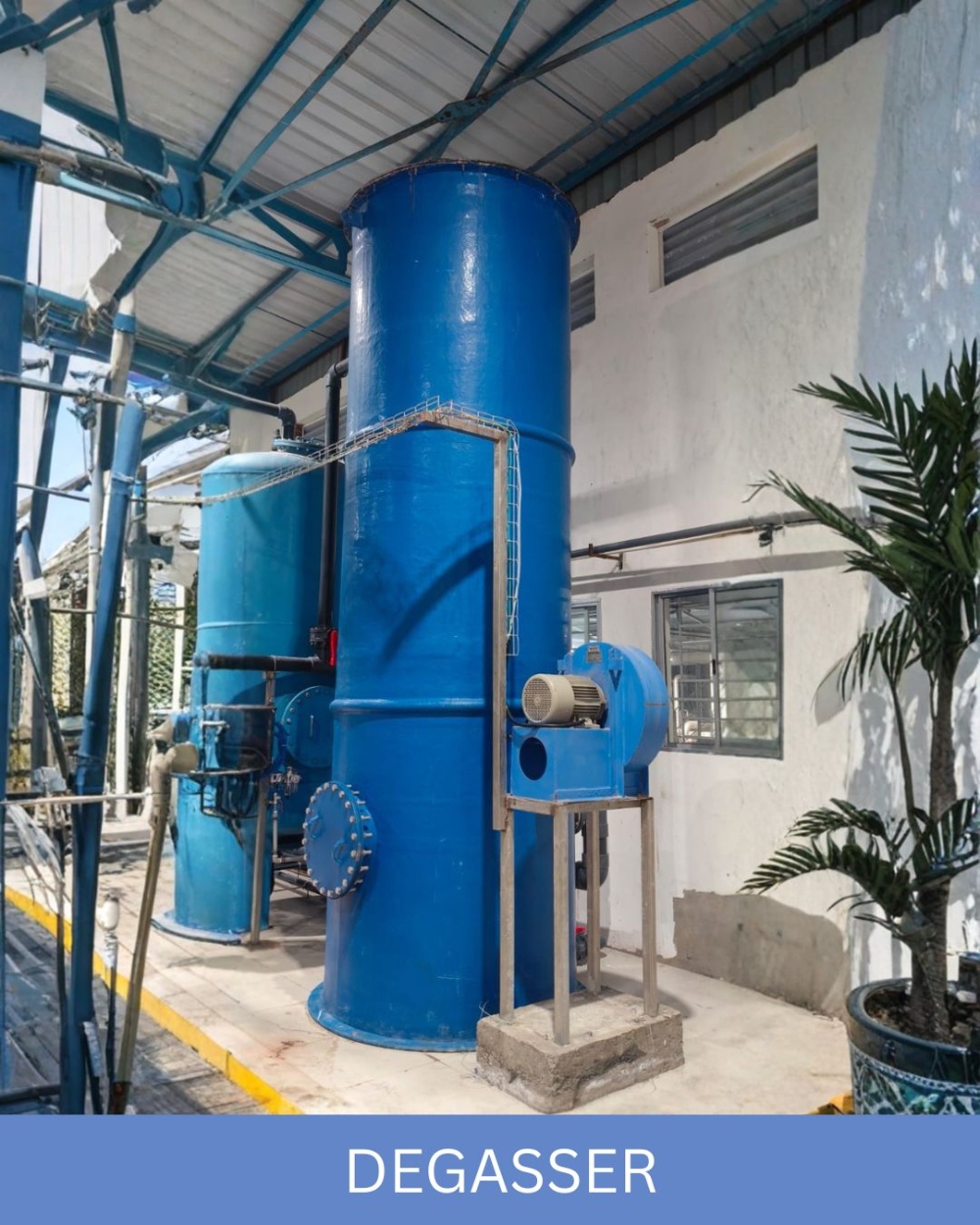
Degasser (Decarbonation Tower)
Alkalinity and CO₂ removal for stable RO operation
The degasser removes dissolved CO₂ from softened water using a counter-current air stripping process in a packed column. By removing CO₂, the system reduces alkalinity and stabilises feed water chemistry before RO.
Benefits :
- Reduces alkalinity and carbonate scaling potential
- Lowers acid dosing requirement
- Improves RO membrane efficiency
- Enhances long-term membrane performance
- Contributes to lower operating cost
Advanced RO System Design
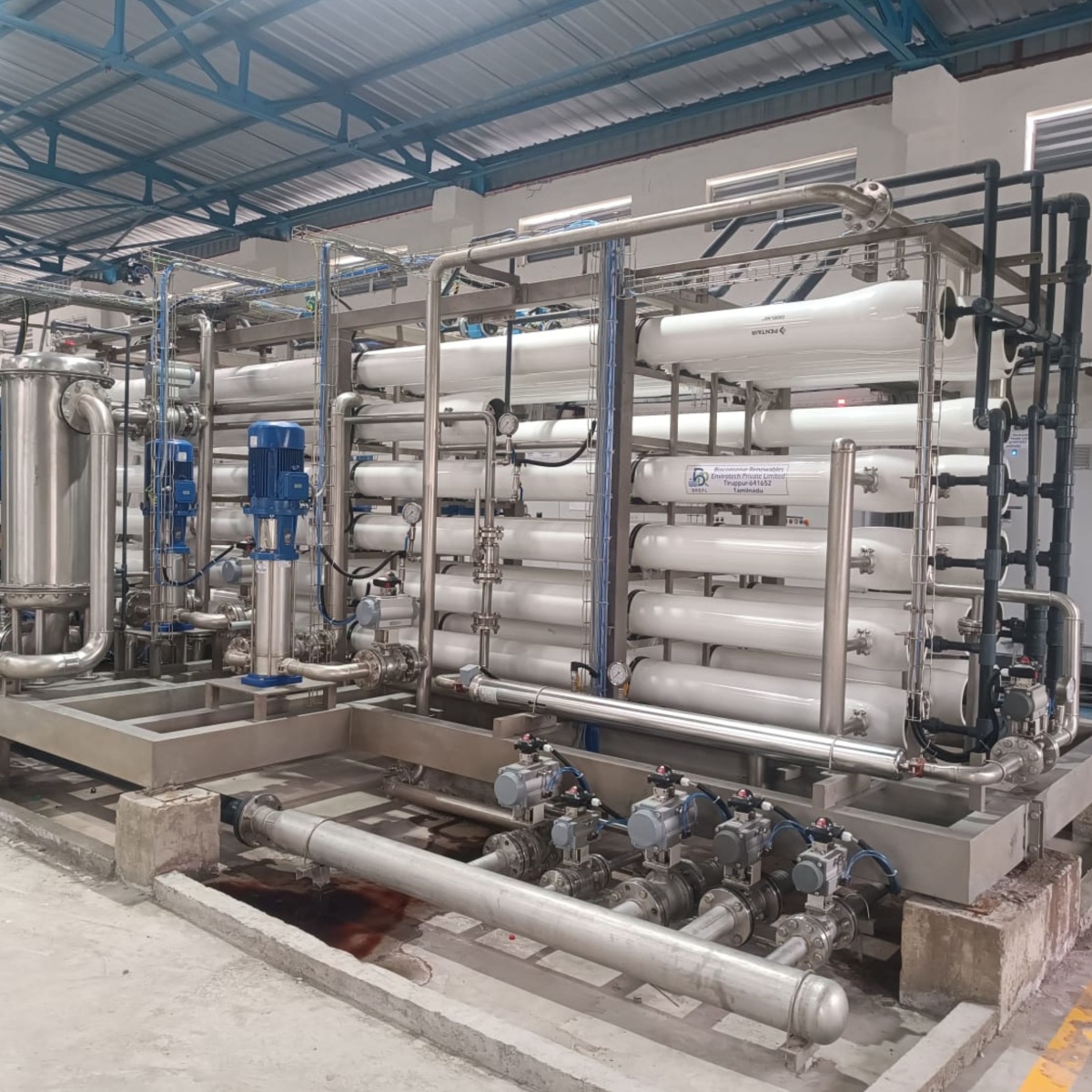
Reverse Osmosis RO-1 (88-92%)
Our RO systems are uniquely engineered and custom-designed for each application. Every membrane array is configured based on required flux and TDS concentration, strictly as per technical specifications. The system delivers high recovery, energy efficiency, and extended membrane performance.
Benefits :
- Custom-designed arrays based on flux & TDS requirements
- Membrane life up to 4 years
- Energy consumption below 1 kWh/m³ with RO skid & inverter
- Reject TDS up to 100 g/L using next-generation membranes
- Fully automatic operation with remote monitoring
- CIP interval of 2–3 months with high-quality feed water
The Differentiator
Fourth-Stage Recovery
Conventional ZLD systems send RO reject directly to evaporation. Our approach introduces an additional recovery layer to extract more water before thermal treatment.
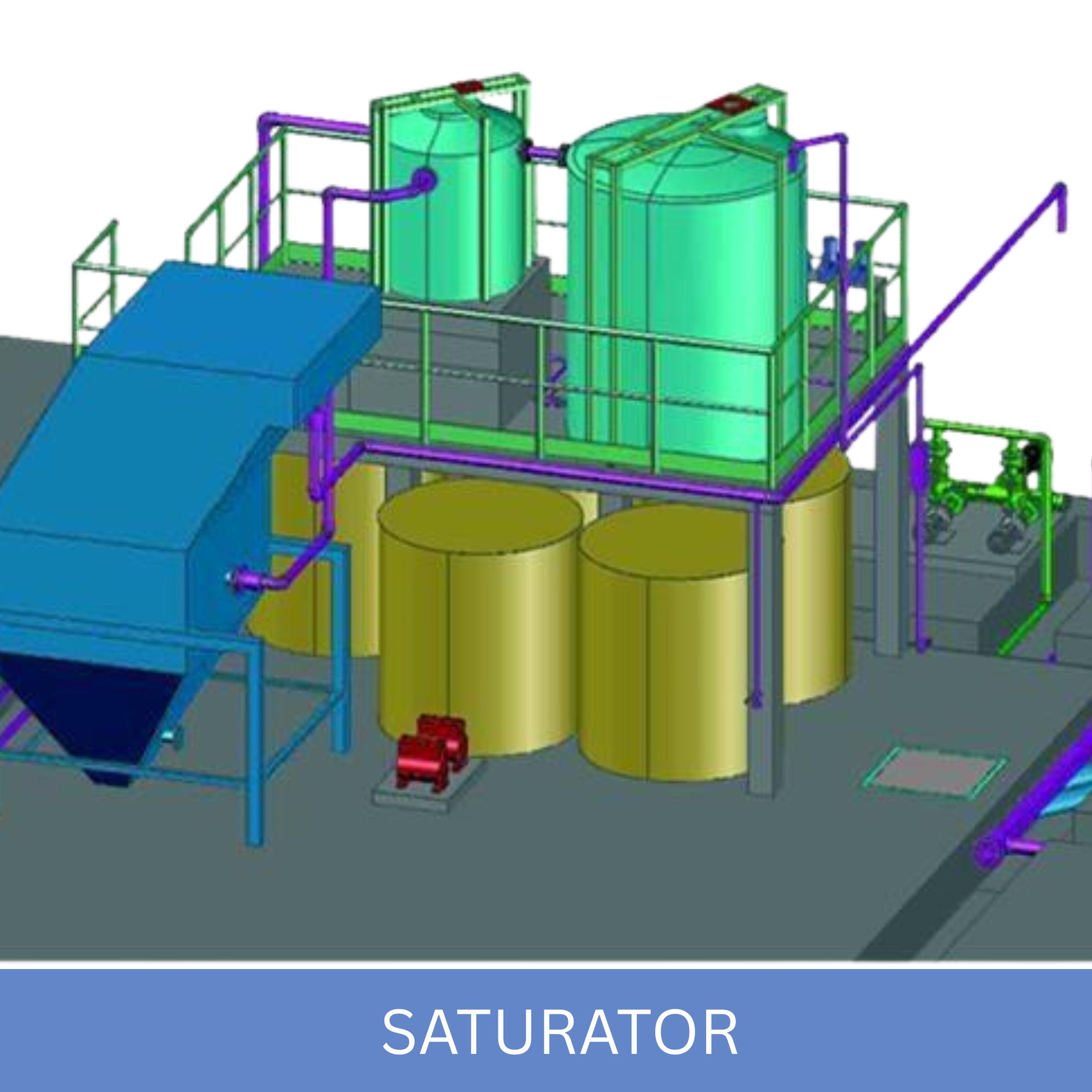
Saturator
We treat RO reject water using a Saturator followed by Ultrafiltration (UF) as a pre-conditioning step before routing it to RO-4 for further recovery. This process reduces silica, hardness, alkalinity, and organic load-helping protect downstream membranes and extend their operational life.
- Reduces silica, hardness & alkalinity
- Lowers organic load before RO-4 recovery
- Enhances membrane life and system efficiency
Reverse Osmosis RO-2 (55-60%)
Our RO-2 System is Designed & Engineered for Higher Recovery Concepts to reduce the feed to MEE. The Operating cost of MEE is drastically reduced. HPRO/CCRO system for Recovery & less pressure in Operations.
- Designed according to the anticipated Reject Parameters from RO-1
- Customized Pumps & system ensuring zero Maintenance & lesser operating cost
- Collaboration with special type of Membrane technology for higher Recovery
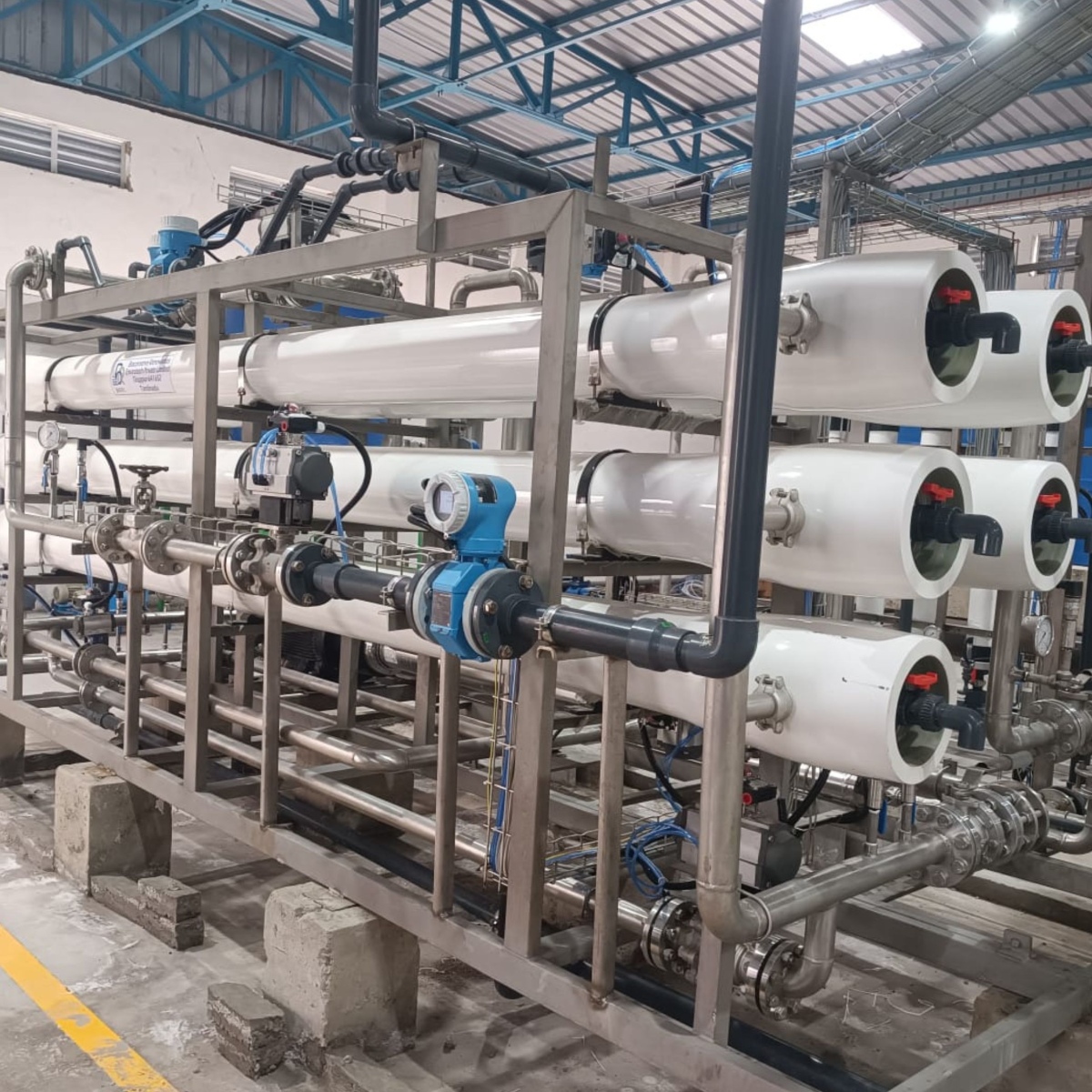
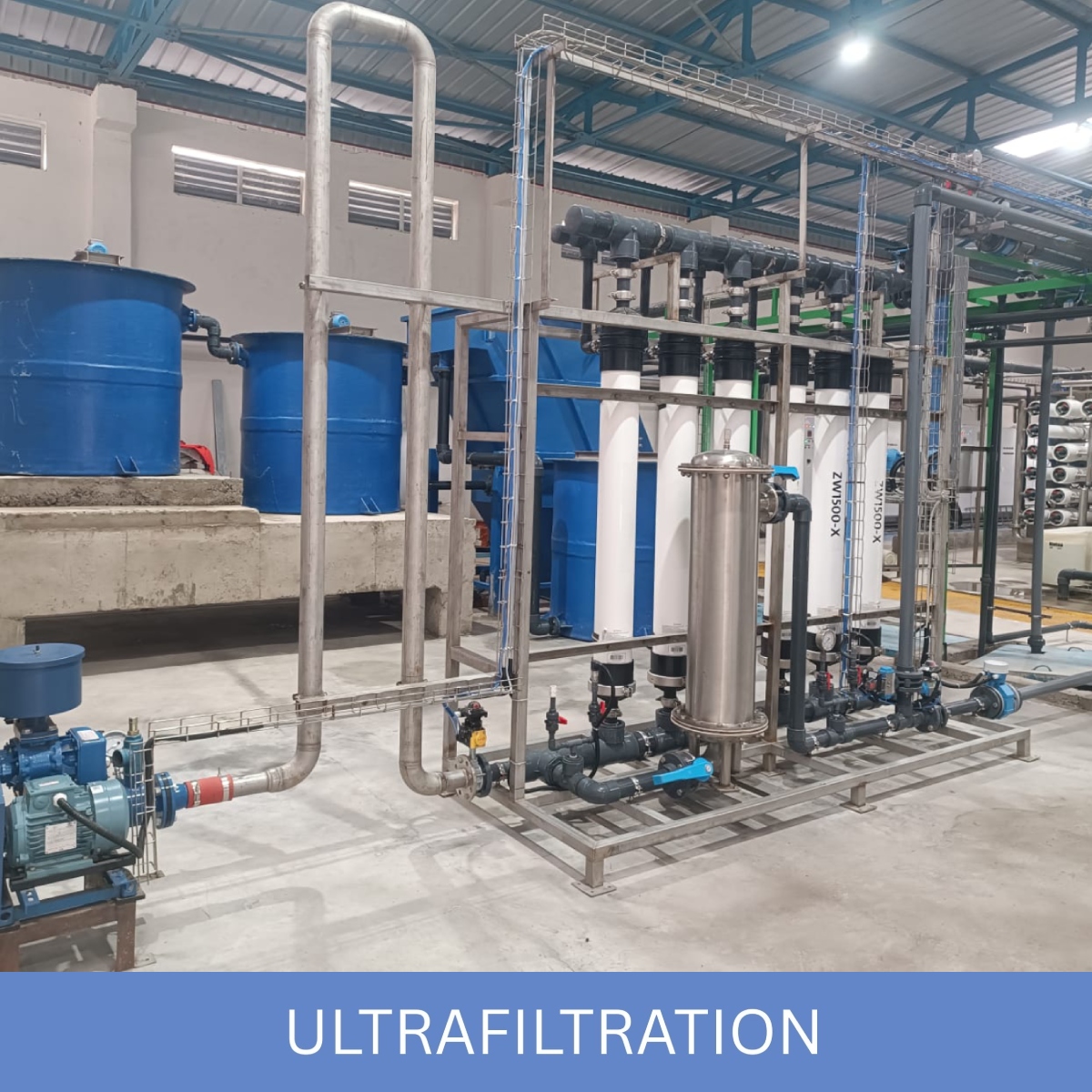
Fourth-Stage Recovery: UF + NF for additional water extraction
Ultrafiltration (UF)
We design and integrate Ultrafiltration (UF) systems as a critical polishing and protection step within the treatment train. UF acts as a physical barrier, removing fine suspended solids and colloidal matter.
- Removes suspended solids and colloids
- Protects NF membranes
- Improves reliability
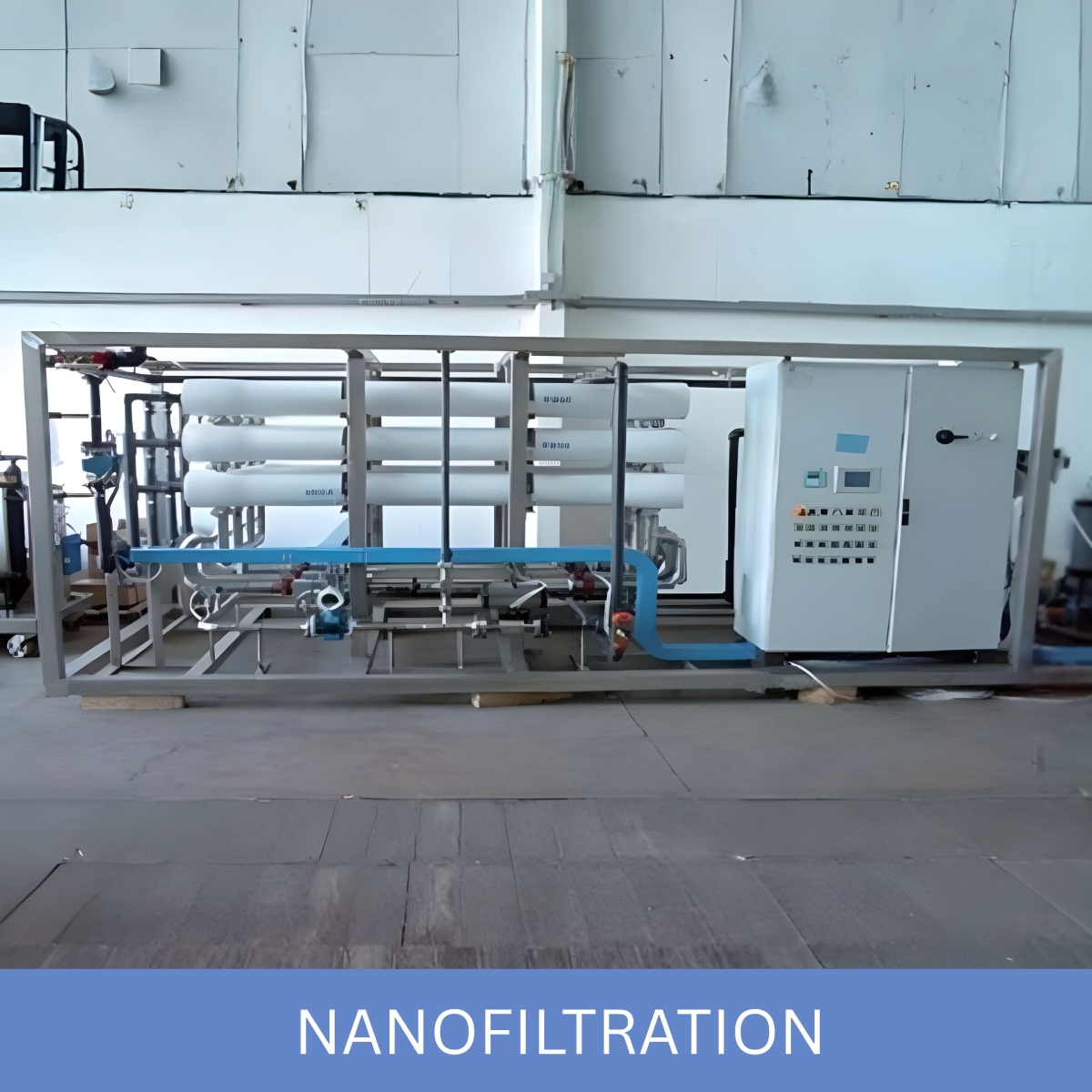
Nanofiltration (NF)
We offer Nanofiltration (NF) systems to extract additional reusable water from high-salinity streams before thermal treatment. NF membranes selectively separate multivalent salts and organic compounds.
- Selectively removes multivalent ions
- Allows partial salt recovery
- Produces additional reusable permeate