
Understanding the Challenge
Why ZLD for Textiles
Textile wastewater is not ordinary wastewater. It demands a specialized approach.
About
Textile Wastewater Is Not Ordinary Wastewater
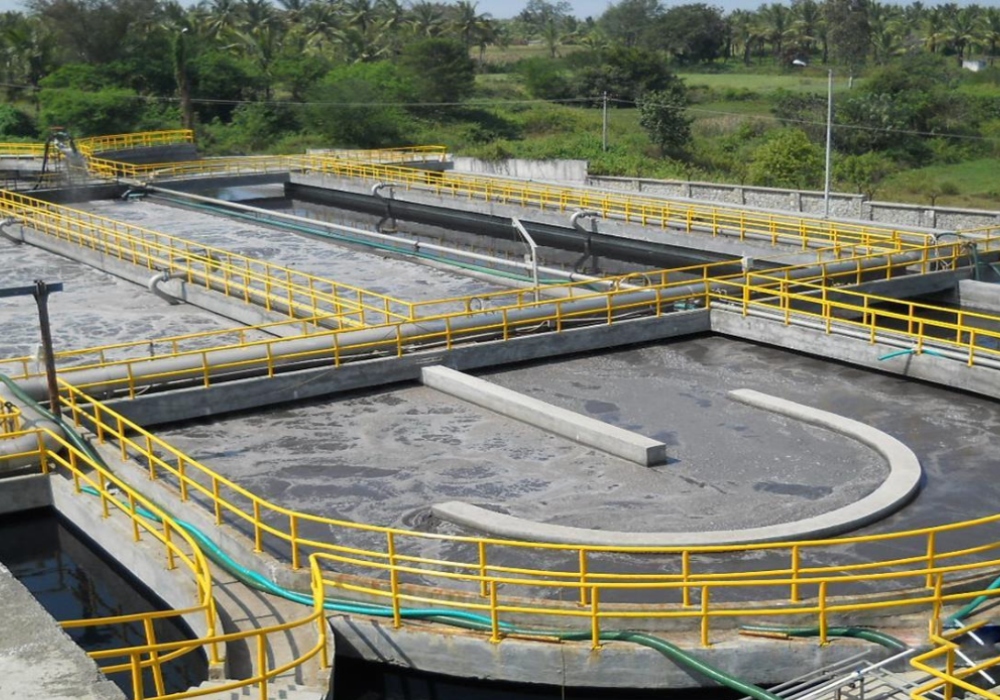
Textile processing generates one of the most complex industrial wastewaters. Unlike single-process industries, textile units combine multiple wet processes, each contributing a different pollutant load. When these streams mix, the result is a wastewater that cannot be treated effectively by conventional ETPs.
This is why Zero Liquid Discharge (ZLD) has become not just a regulatory requirement, but a technical necessity for the textile industry.
What We Offer
Every Textile Process Adds a New Challenge
Each stage of textile processing contributes unique pollutants to the wastewater stream.

Sizing
Characteristics:
High BOD, medium COD
Pollutants:
Yarn waste, unused starch-based sizes

Desizing
Characteristics:
BOD (34-50% of total), high COD, temp. (70-80°C)
Pollutants:
Enzymes, starch, waxes, ammonia

Scouring
Characteristics:
Oily fats, BOD (30% of total), high pH, dark colour
Pollutants:
NaOH, surfactants, soaps, organics

Dyeing
Characteristics:
Colour, metals, sulphide, salts
Pollutants:
Dyes, fixing agents, metals

Printing
Characteristics:
High BOD, high pH, suspended solids
Pollutants:
Urea, solvents, colour, metals

Finishing
Characteristics:
Low alkalinity, low BOD, high toxicity, formaldehyde
Pollutants:
Chlorinated compounds, resins, softeners

Why Conventional Treatment Is Not Enough
- Biological systems cannot remove salts or colour
- Clarifiers cannot protect membranes adequately
- Direct evaporation without recovery leads to very high operating costs
- Water reuse targets cannot be met consistently
Why ZLD Becomes Essential
- Separating pollutant by water recovery
- Treating water in multiple, optimised stages
- Maximising reuse while minimising reject
- Eliminating liquid discharge completely
About Us
The Right Question Is Not "Why ZLD?"
It Is "How Intelligently Is ZLD Designed?"
Two textile ZLD plants can look similar on paper - yet perform very differently in reality. The difference lies in engineering, not equipment alone.

Biological Efficiency
How efficiently pollution is removed biologically

Membrane Protection
How well membranes are protected from fouling

Pre-Evaporation Recovery
How much water is recovered before evaporation

Thermal Load Optimisation
How small the thermal load is made